Get Grease Trap Installation
Local contractors offer grease trap installation services to prevent plumbing clogs, manage kitchen waste, and ensure proper drainage for restaurants and commercial kitchens.
If property owners in the area are considering grease trap installation, they are likely exploring a practical solution to meet regulatory requirements and ensure proper waste management. Properly installed grease traps help prevent plumbing issues, reduce odors, and maintain the cleanliness of commercial kitchens or food service facilities. Finding experienced local contractors who specialize in grease trap installation can make the planning process smoother and ensure the work aligns with local standards and best practices.
Exploring your options among nearby service providers can provide valuable insights into different approaches and solutions tailored to your property's needs. Comparing local contractors allows property owners to identify professionals with relevant experience and a clear understanding of the area’s specific requirements. Continuing to review your options can help make informed decisions about the best way to support your property's operational efficiency and compliance.
- Grease Trap Installation - when a commercial kitchen or food service operation needs an effective system to manage grease waste.
- Grease Trap Replacement - if an existing trap is outdated, damaged, or no longer functioning properly.
- Grease Trap Maintenance - to ensure proper operation and prevent foul odors or blockages in plumbing systems.
- Grease Trap Inspection - for routine checks required by health or safety regulations or before a new food service opens.
- Custom Grease Trap Solutions - when a property requires a tailored system to handle specific volume or space constraints.
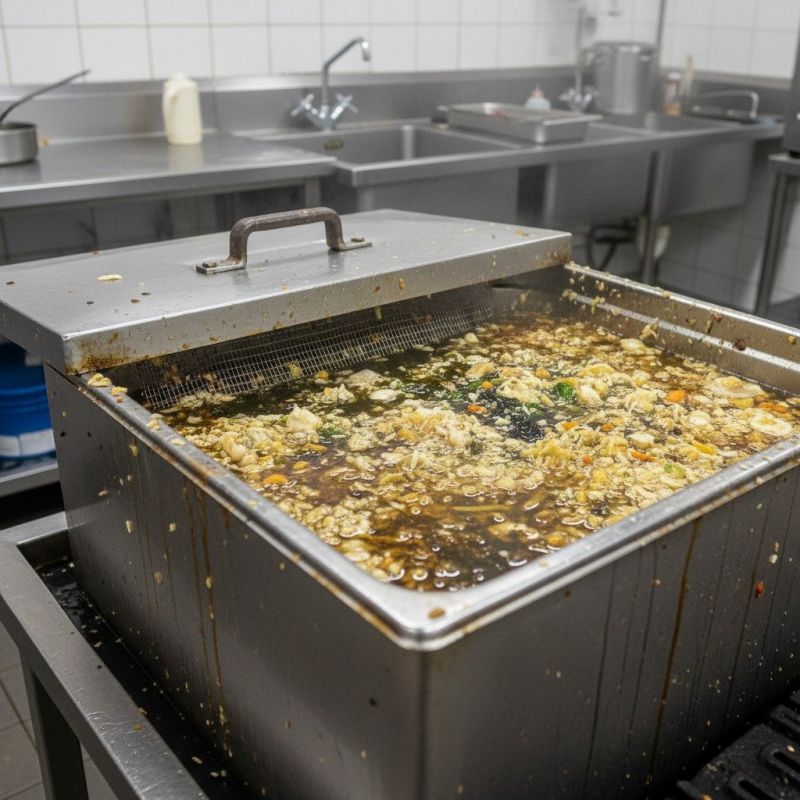
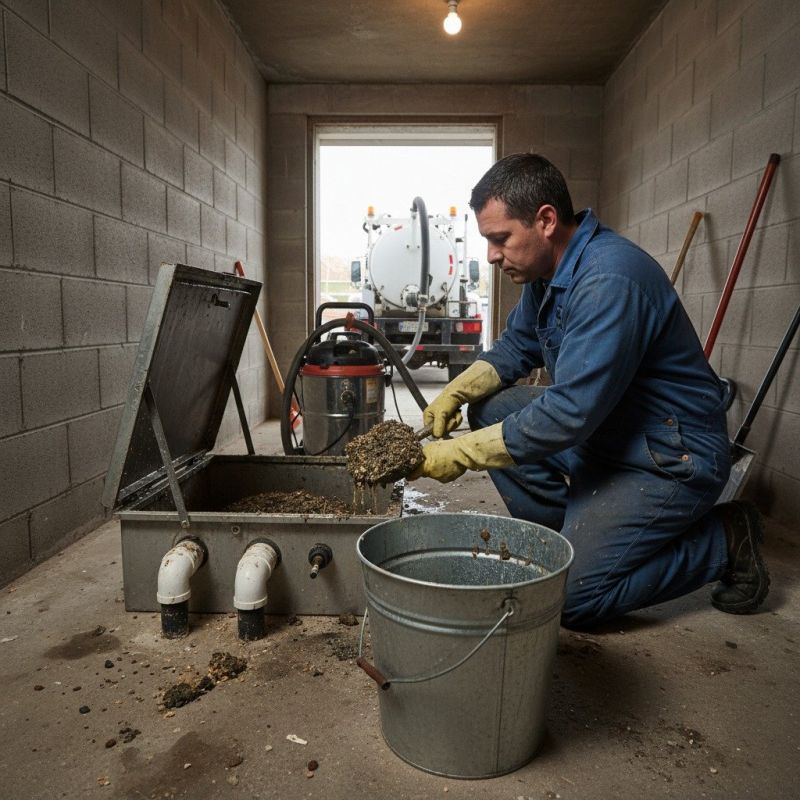
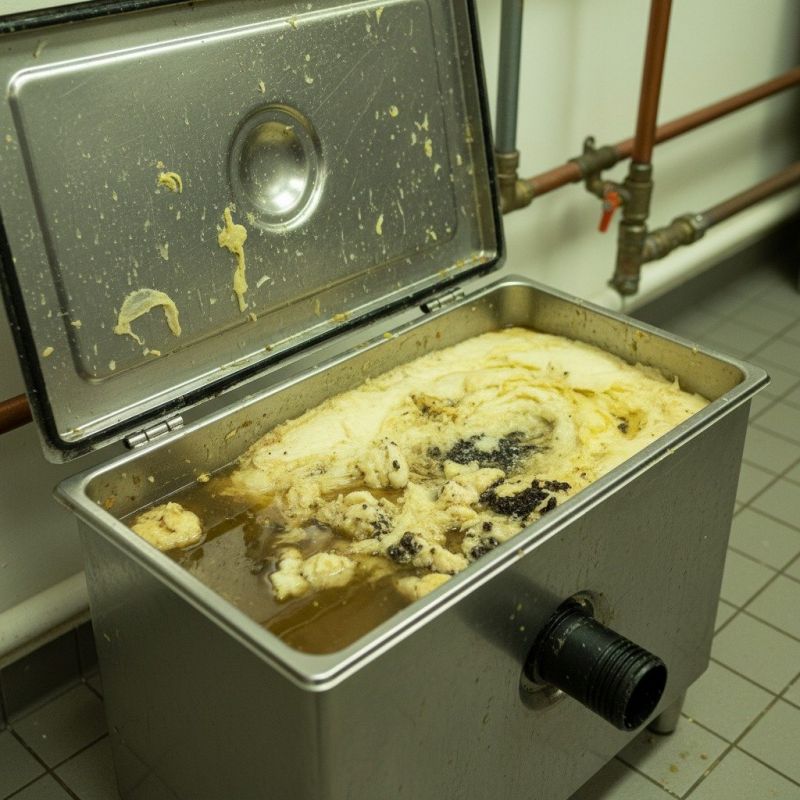
Grease trap installation involves placing a specialized device underground to capture fats, oils, and grease (FOG) from kitchen wastewater before it enters the plumbing system. This service typically includes assessing the property’s plumbing setup, selecting the appropriate size and type of grease trap, and installing it securely according to local codes and best practices. Proper installation ensures that kitchen effluent is effectively separated, helping to prevent clogs and reduce the risk of costly plumbing backups over time.
This service addresses common problems faced by properties with commercial kitchens, restaurants, or even large residential kitchens that produce significant amounts of FOG. Without a properly installed grease trap, fats and oils can solidify within pipes, leading to blockages, foul odors, and potential overflows. Installing a grease trap helps property owners avoid these issues by providing a dedicated system to manage grease waste, ensuring smoother plumbing operations and compliance with local regulations.
Grease trap installation is often necessary for a variety of properties, including restaurants, cafes, catering kitchens, and other food service establishments. Larger residential buildings or multi-unit complexes with communal kitchens may also benefit from having a grease trap installed. Any property that generates substantial kitchen wastewater containing fats and oils can benefit from this service, helping to maintain the integrity of plumbing systems and prevent disruptions caused by grease-related blockages.
When considering grease trap installation, property owners should evaluate their kitchen operations and plumbing setup to determine if a system is needed. Local contractors who specialize in this service can assess the property’s requirements, recommend the right size and type of grease trap, and ensure proper installation. Connecting with experienced service providers can help property owners maintain efficient plumbing, reduce maintenance issues, and stay compliant with local health and safety standards.
The overview below groups typical Grease Trap Installation projects into broad ranges so you can see how smaller, mid-sized, and larger jobs often compare in your area.
In many markets, a large share of routine jobs stays in the lower and middle ranges, while only a smaller percentage of projects moves into the highest bands when the work is more complex or site conditions are harder than average.
Small Repairs - Typical costs for minor grease trap repairs or maintenance range from $250 to $600. Many routine jobs fall within this middle range, with fewer projects reaching the higher end of the spectrum.
Standard Installation - Installing a new grease trap generally costs between $1,000 and $3,000. Most projects in this category are straightforward and stay within this typical range.
Full Replacement - Replacing an existing grease trap can cost from $2,500 to $5,000 or more, especially for larger or more complex systems. Larger, more involved projects tend to push into the higher cost tiers.
Complex or Custom Systems - Custom or highly specialized grease trap installations may exceed $5,000, depending on size and site requirements. These projects are less common and usually involve additional factors that influence cost.
Actual totals will depend on details like access to the work area, the scope of the project, and the materials selected, so use these as general starting points rather than exact figures.
Septic System Installation - professionals in septic system setup share skills in site assessment, planning, and underground tank installation similar to grease trap setups.
Commercial Plumbing Services - local contractors handling large-scale plumbing projects are familiar with waste management systems and piping that relate to grease trap installation.
Drainage System Installation - experts in designing and installing drainage infrastructure have comparable planning and excavation skills applicable to grease trap setup.
Wastewater Treatment System Installation - specialists working on wastewater treatment facilities utilize similar knowledge of plumbing, tanks, and environmental considerations.
Kitchen Plumbing Renovations - contractors renovating commercial kitchens have experience with grease interceptors and plumbing configurations akin to grease trap installation.
Floor Drain and Catch Basin Installation - service providers installing floor drains and catch basins employ similar planning, excavation, and piping techniques as grease trap projects.
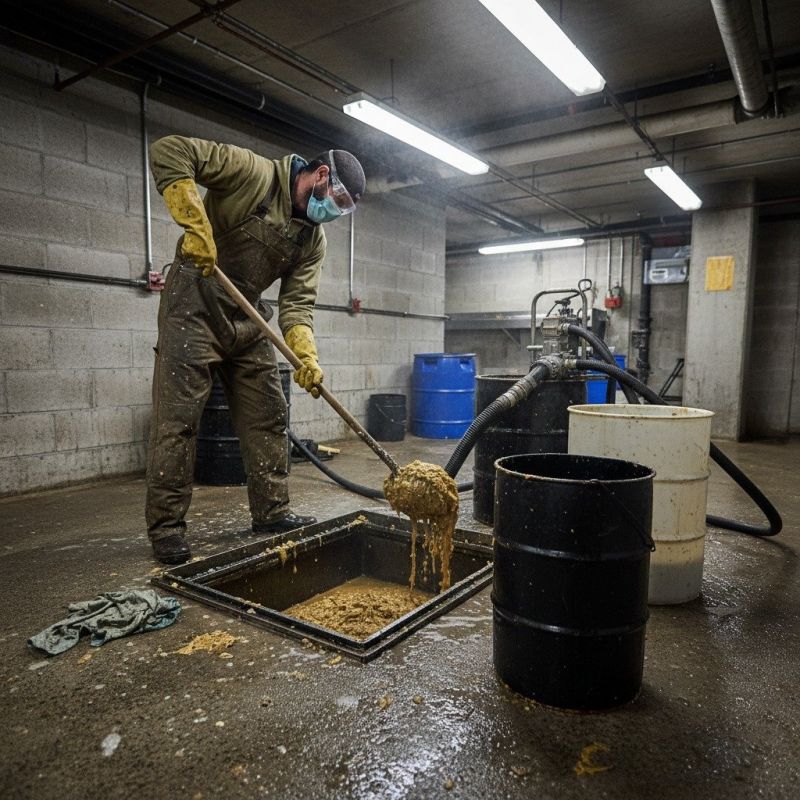
When comparing service providers for grease trap installation, it’s important to consider their experience with similar projects. Finding local contractors who have a proven track record with installations of comparable size and complexity can provide confidence that they understand the specific requirements and challenges involved. Asking about past work or reviewing their portfolio of completed projects can help gauge their familiarity with the type of installation needed for your property.
Clear, written expectations are essential to ensure everyone is on the same page from the outset. A reputable local contractor should be able to provide detailed descriptions of the scope of work, materials used, and any preparation or follow-up steps involved. Having this information in writing helps prevent misunderstandings and ensures that the project’s goals and requirements are well-defined before work begins.
Good communication and reputable references are key indicators of a trustworthy service provider. Contractors who are responsive to inquiries, transparent about their process, and willing to share references from previous clients can make the selection process smoother. Contacting past customers can offer insights into their experience, reliability, and the quality of work performed. Remember, this site introduces homeowners to local options, not that it performs the work itself, so taking the time to evaluate these aspects can help find a professional who is well-suited to handle the project effectively.
Property owners use Grease Trap Installation services for practical projects around their homes and businesses. This guide focuses on everyday jobs and straightforward project options.
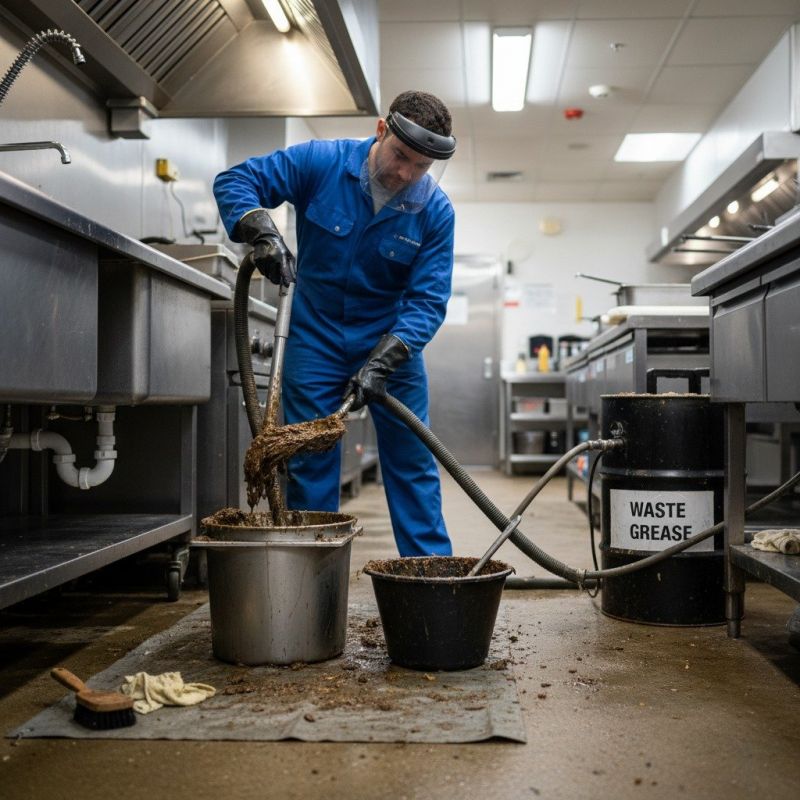
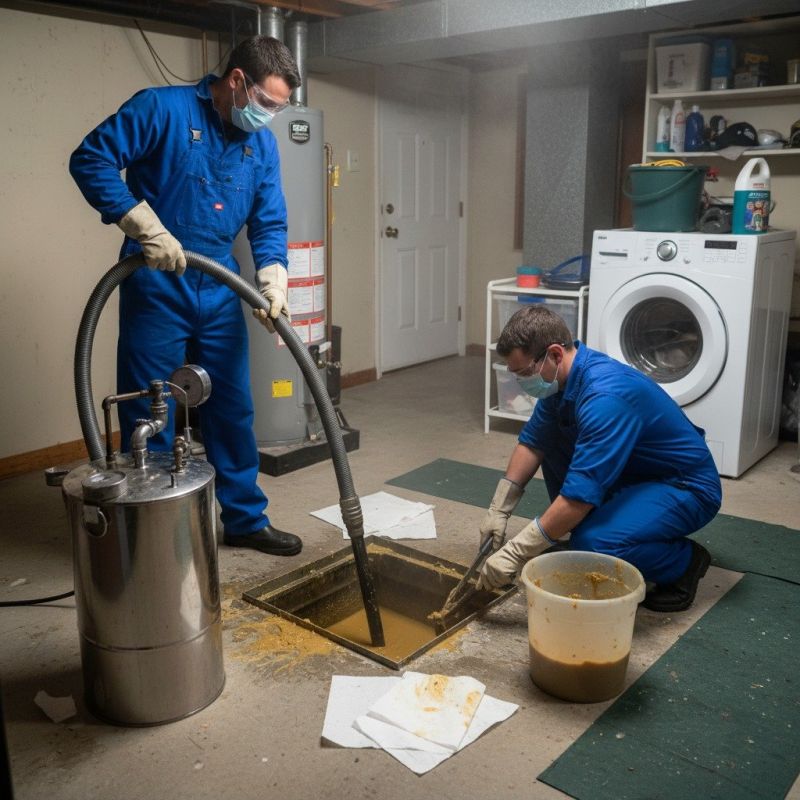
Grease trap installation is often needed when restaurants, cafes, or food service businesses in the area are setting up new kitchens or upgrading existing ones. Property owners may seek professional installation to ensure the system is properly integrated with their plumbing, helping to prevent costly backups or plumbing issues caused by grease buildup. Local contractors who specialize in grease trap services can provide the expertise needed to handle these installations efficiently, ensuring compliance with local regulations and smooth operation for daily food preparation activities.
In addition, property owners might look for grease trap services when experiencing frequent clogging or foul odors in their drainage systems. Regular maintenance and timely installation of new traps can help maintain a clean and functional kitchen environment. Local service providers can assess the specific needs of each property, recommend appropriate solutions, and handle the installation with minimal disruption to daily operations. Connecting with experienced contractors ensures that grease management systems are properly installed and maintained for ongoing performance.
What is involved in grease trap installation? Grease trap installation typically includes assessing the site, selecting the appropriate size, and properly installing the unit to ensure effective grease separation and compliance with local codes.
Why should I hire local contractors for grease trap installation? Local contractors are familiar with regional regulations and can provide tailored solutions, ensuring the installation meets local standards and works efficiently for your property.
Are there different types of grease traps available? Yes, there are various types of grease traps, such as passive, automatic, and gravity-fed units, which service different needs and installation environments.
What factors influence the choice of a grease trap? Factors include the size of your establishment, the volume of grease generated, available space, and local plumbing requirements, which local service providers can help evaluate.
How do local service providers ensure proper grease trap installation? They follow best practices, adhere to local codes, and use appropriate equipment to ensure the grease trap functions correctly and efficiently.
Grease Trap Installation for Commercial Kitchens - Property owners can ensure proper waste management by installing grease traps that prevent plumbing issues and comply with local regulations.
Residential Grease Trap Setup - Homeowners with extensive kitchen use or home-based food businesses can benefit from professional installation to maintain a clean and functional plumbing system.
Upgrading Existing Grease Traps - Property managers can improve efficiency and reduce odors by having local contractors upgrade or replace outdated grease traps during routine maintenance.
Custom Grease Trap Solutions - Business owners can work with local service providers to design and install grease traps tailored to the specific needs of their commercial kitchen or food service operation.
If you are thinking about Grease Trap Installation for a property, this guide is meant to help you understand the work, the typical project types, and how different options might fit your plans.
When you are ready, you can use the quote form on this page to share a few details about your project. From there, local pros can review the basics and respond with options that match what you have in mind.